
Soft Living Era: Why People Are Prioritizing Peace Over Hustle Culture in 2026
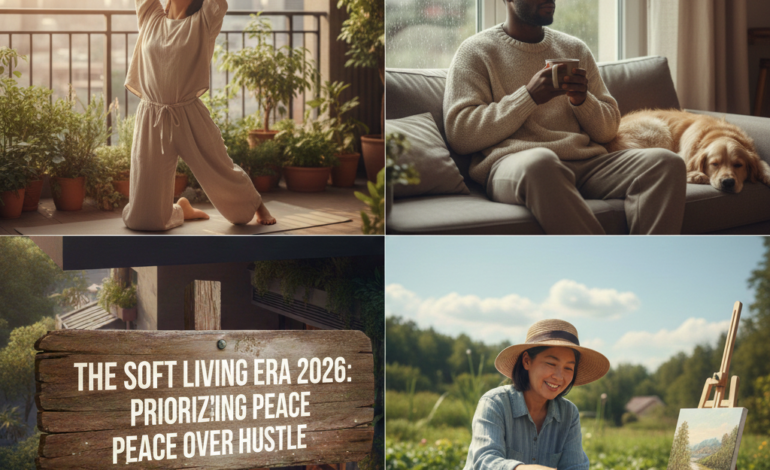

It used to be that the measure of a successful life was how busy you were. A packed calendar, a coffee in hand, and a constant state of “grinding” were the ultimate status symbols. But as we settle into 2026, the cultural temperature has shifted. The glorification of exhaustion is fading, replaced by a quiet but powerful movement: the Soft Living Era.
This shift isn’t about laziness or giving up on ambition. Instead, it’s a conscious decision to prioritize mental well-being, emotional peace, and sustainable daily rhythms over the frantic pace of the past decade. It asks a simple, radical question: What if success didn’t feel like stress?
Across the globe, from bustling cities to quiet suburbs, people are opting out of the rat race in favor of a life that feels good on the inside, not just one that looks impressive on the outside. Here is why soft living has become the defining lifestyle philosophy of 2026.
What Is the Soft Living Era?
At its core, soft living is a lifestyle philosophy that rejects the idea that struggle is a prerequisite for success. It emphasizes ease, comfort, and intentionality. It’s the decision to move through life with less resistance and more gentleness toward oneself.
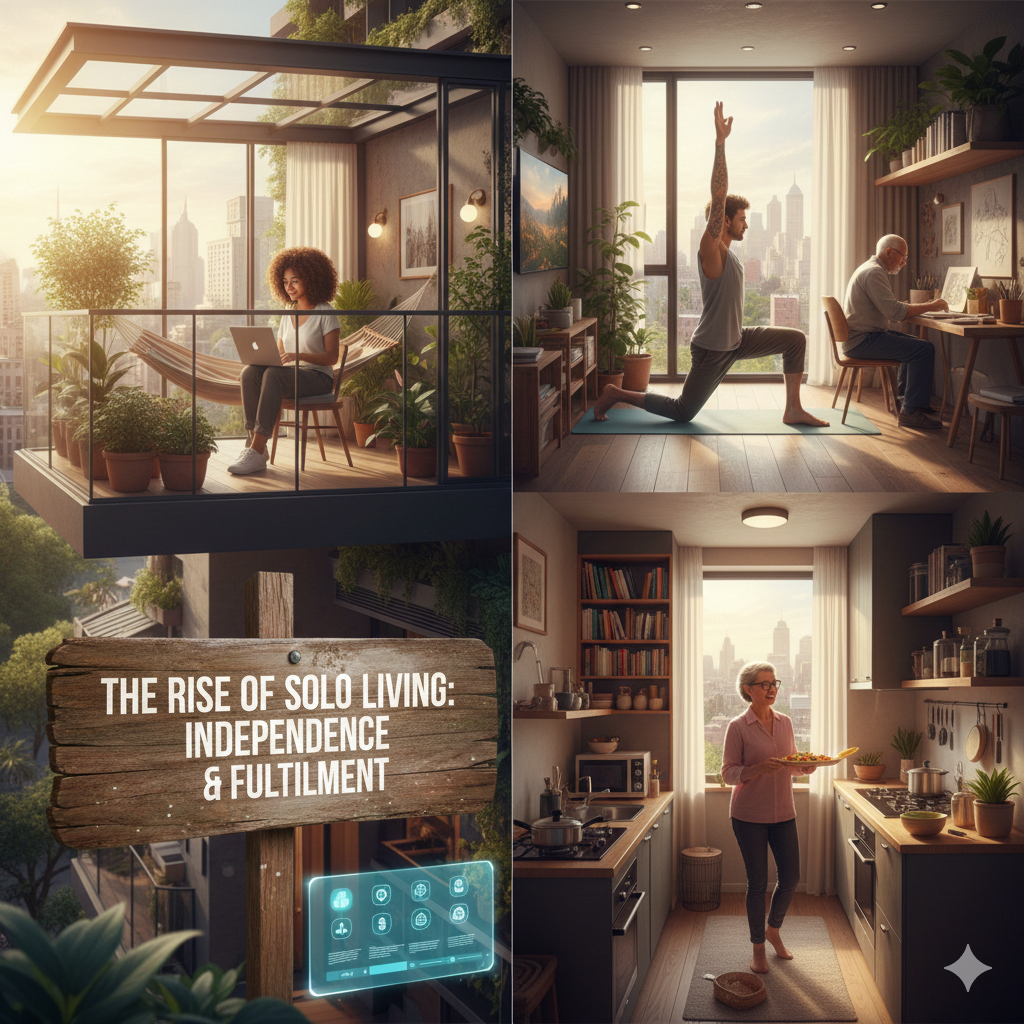
Practically, this looks like setting boundaries at work, prioritizing sleep, curating a peaceful home environment, and engaging in hobbies that have no financial incentive. It is about choosing the path of least resistance when possible, not out of fear, but out of self-preservation.
Difference Between Soft Living and Minimalism
While they share similarities, soft living and minimalism are distinct. Minimalism focuses on the reduction of physical possessions—decluttering your space to clear your mind. Soft living, however, focuses on the reduction of mental clutter and stress.
You can live a soft life in a maximalist home filled with colorful art and plush velvet cushions. In fact, soft living often embraces comfort and sensory pleasure—think high-thread-count sheets, warm lighting, and nourishing meals—whereas minimalism can sometimes feel stark or restrictive. Soft living is about how a lifestyle feels, while minimalism is often about how a space functions.
Why Hustle Culture Is Losing Popularity
For years, “hustle culture” dominated the narrative. We were told to rise and grind, to monetize our hobbies, and to sleep when we were dead. By 2026, the collective burnout from this mentality has reached a breaking point.
Burnout and Mental Health Awareness
The aftermath of the early 2020s left a global population exhausted. The constant pressure to optimize every second of the day led to widespread burnout, anxiety, and a feeling of hollowness. People began realizing that achieving career milestones didn’t matter if they were too tired to enjoy them. The glamorization of overwork has been replaced by a deep understanding of nervous system regulation. We now know that chronic stress isn’t a badge of honor; it’s a health hazard.
Changing Work and Lifestyle Priorities
The definition of “making it” has evolved. In 2026, a high salary with no free time is increasingly viewed as a bad deal. People are trading high-pressure corporate ladders for roles that offer flexibility, autonomy, and peace of mind. The goal has shifted from “accumulation of wealth” to “abundance of time.”
Key Drivers Behind the Soft Living Movement
Several factors have converged to make this era possible. It is not just a trend; it is a response to the environment we live in.
Mental Wellness and Emotional Balance
Therapy and emotional intelligence have gone mainstream. As people become more literate in mental health, they are prioritizing environments that soothe rather than stimulate. Soft living is essentially a lifestyle practice of stress reduction. It involves making choices that lower cortisol levels—whether that’s saying no to a social obligation or taking a slow walk without a podcast playing.
Remote Work and Flexible Schedules
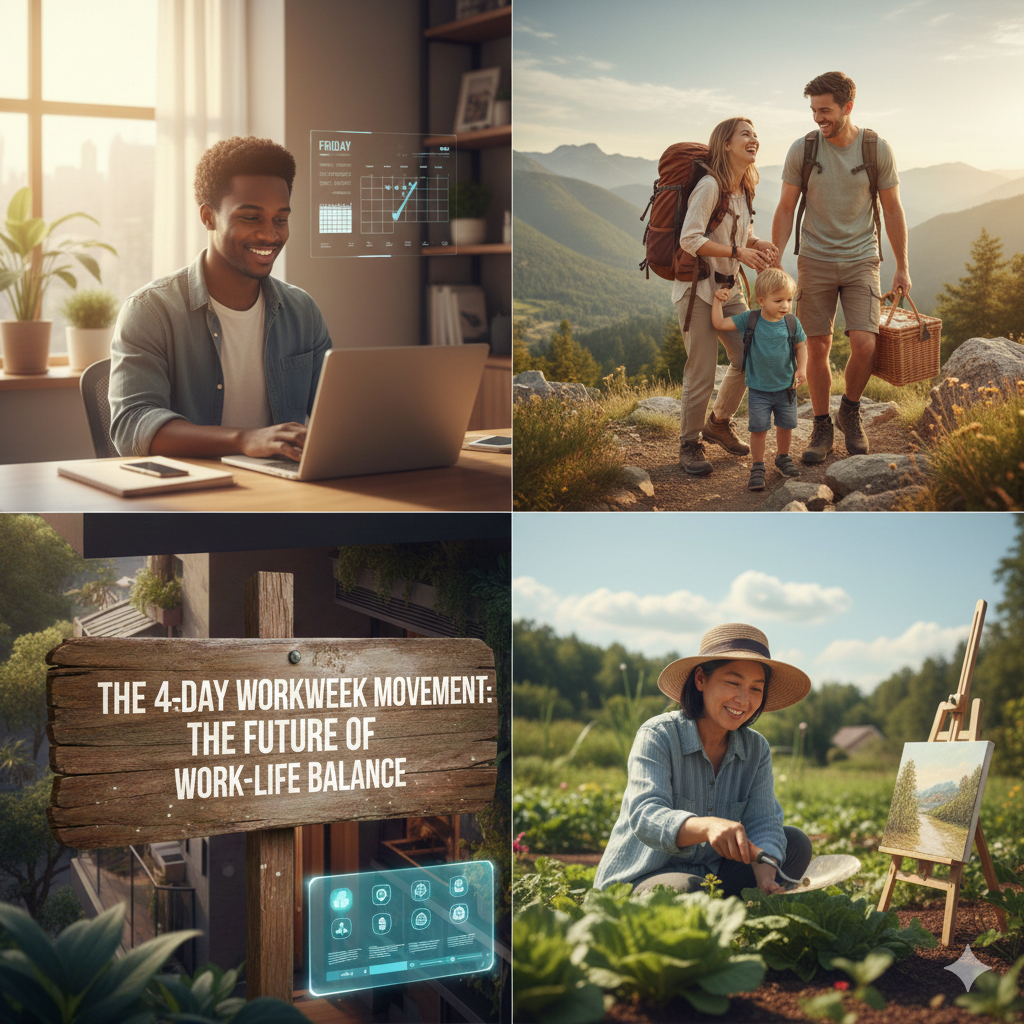
The stabilization of remote and hybrid work models has been a massive catalyst. Without the drain of a daily commute or the performative nature of office presence, workers have reclaimed hours of their lives. This flexibility allows for slower mornings, midday resets, and the ability to cook a fresh lunch—small luxuries that contribute significantly to a softer life.
Social Media and Lifestyle Trends
While social media can be a source of stress, it has also popularized the aesthetic of softness. Platforms are filled with content romanticizing the mundane: pouring tea, reading in a sunlit corner, or gardening. This “romanticization of life” encourages viewers to find beauty in slow, quiet moments rather than constantly seeking adrenaline-inducing highlights.
Economic and Cultural Shifts
Economic uncertainty has also played a role. With traditional milestones like homeownership becoming more difficult in many regions, younger generations are redefining what stability looks like. If the “hard work equals guaranteed wealth” contract is broken, why suffer? People are choosing to invest in their immediate quality of life rather than sacrificing everything for a future that feels uncertain.
How Soft Living Is Changing Daily Habits
The philosophy of soft living manifests in tangible, everyday actions. It changes the rhythm of the day.
Slower Mornings and Intentional Routines
Gone are the days of waking up at 5:00 AM to sprint through a punishing workout and check emails before dawn. The soft living morning is slower. It might involve waking up naturally, drinking water before coffee, stretching, or simply sitting in silence for ten minutes. The objective is to start the day with a regulated nervous system, rather than jumping immediately into fight-or-flight mode.
Work-Life Balance and Boundary Setting
In the soft living era, “no” is a complete sentence. People are more protective of their energy. This means leaving work on time, not checking emails on weekends, and understanding that productivity is not a constant state. It’s about ebb and flow. Workers are communicating their capacity more clearly, refusing to take on the workload of three people for the salary of one.
Soft Living vs Hustle Culture: Key Differences
To truly understand this shift, it helps to look at the stark contrast between the two dominant philosophies.
Hustle Culture:
- Mindset: Productivity is the ultimate metric of worth.
- Focus: Future achievement and external validation.
- Approach: Push through pain; rest is a reward for work.
- Motto: “Grind now, shine later.”
Soft Living:
- Mindset: Well-being is the ultimate metric of worth.
- Focus: Present contentment and internal peace.
- Approach: Listen to the body; rest is a biological necessity.
- Motto: “Ease is my birthright.”
Impact on Career and Professional Identity
Soft living doesn’t mean not working; it means changing your relationship with work. We are seeing a rise in “quiet ambition.”
This is the pursuit of professional goals without the noise and desperation. You can be excellent at your job, reliable, and talented without making your career your entire identity. In 2026, professionals are seeking roles that align with their energy levels. There is less emphasis on climbing the ladder simply because it is there, and more emphasis on finding a rung on the ladder that feels comfortable and sustainable.
Role of Wellness, Travel, and Lifestyle Choices
The way we spend our money and leisure time has shifted to reflect this desire for softness.
Nature-Focused Experiences
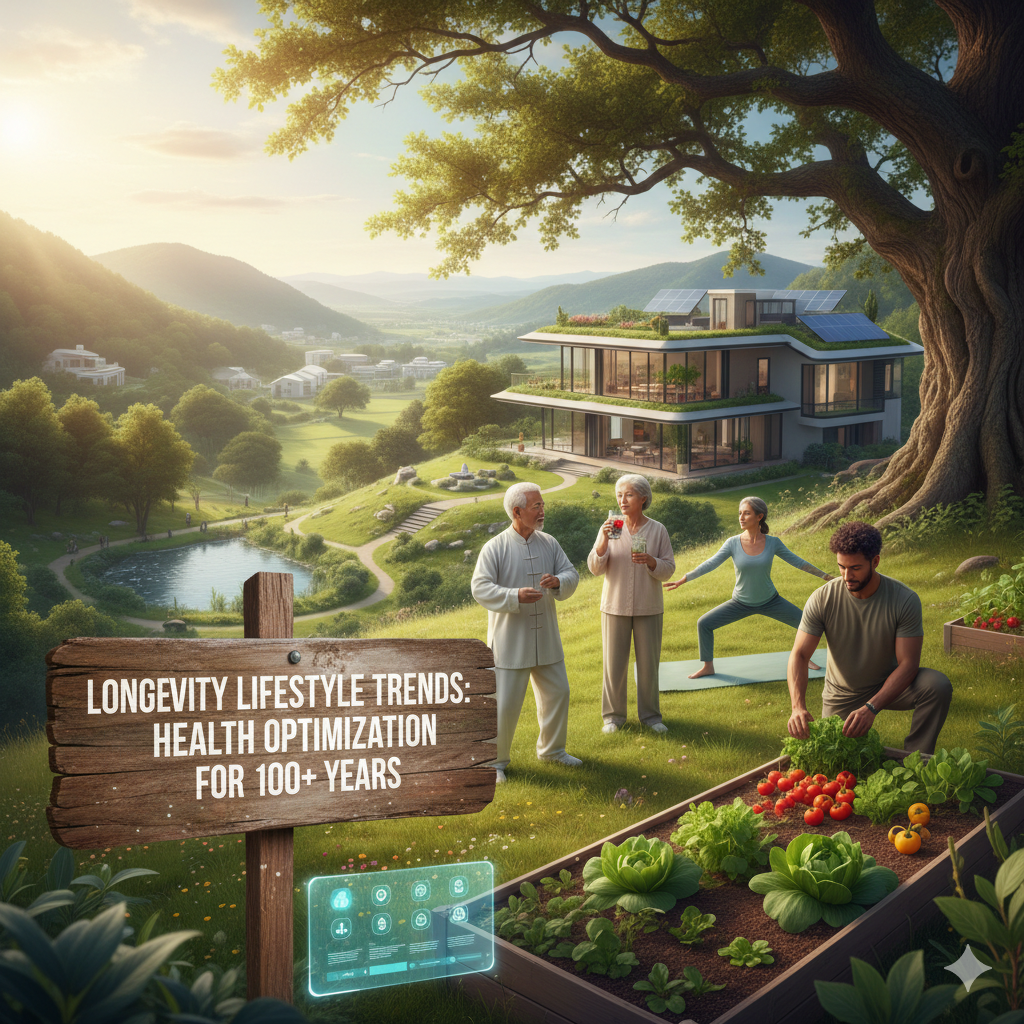
Travel trends have moved away from “doing it all” city breaks toward restorative retreats. Cabin getaways, forest bathing, and beach vacations where the itinerary is simply “read and nap” are in high demand. Connection with nature is seen as a vital antidote to digital saturation.
Digital Detox and Mindful Consumption
Soft living isn’t anti-tech, but it is pro-intention. It involves using technology as a tool to enhance life, not a master that controls it. This might look like using apps to meditate or track sleep, but also setting strict “Do Not Disturb” hours. It’s about consuming content that uplifts rather than content that induces comparison or rage.
Criticism and Misconceptions About Soft Living
No cultural movement is without critique, and soft living has faced its share of scrutiny.
Privilege Debates
Critics argue that soft living is inherently classist—that only those with financial safety nets can afford to “rest” or “take it easy.” It is a valid point; checking out of the hustle is harder for those working multiple jobs to survive. However, proponents argue that soft living can be accessible in small ways regardless of income—finding a moment of quiet, setting an emotional boundary, or refusing to internalize the stress of a chaotic workplace. It is a mindset shift as much as a lifestyle change.
Productivity Myths
Another common misconception is that soft living equals laziness. Employers fear that if people stop hustling, nothing will get done. In reality, rested people are often more effective. Soft living prioritizes sustainable energy output over bursts of manic activity followed by crashes. It advocates for consistency over intensity.
How Brands and Businesses Are Responding
The market has noticed this shift. Companies are realizing that “hustle” marketing no longer resonates.
Wellness-Focused Marketing
Brands are pivoting their messaging to focus on ease, restoration, and calm. You see this in everything from beverage companies marketing “relaxation drinks” to tech companies highlighting “digital wellness” features. The consumer of 2026 wants products that make life easier, not products that make them more productive.
Lifestyle-Driven Product Design
We are seeing a surge in products designed for comfort. Ergonomic furniture, soft-touch fabrics, noise-canceling technology, and ambient lighting solutions are booming. Businesses are designing for the home as a sanctuary.
Future Outlook: Will Soft Living Become Mainstream?
As we look beyond 2026, it seems unlikely that we will return to the peak hustle culture of the past. The collective trauma of burnout has left a lasting mark.
Soft living is likely to evolve from a trend into a standard. We will see a continued push for four-day workweeks, mental health days as a standard benefit, and a cultural appreciation for a slower pace of life. The future belongs to those who can find the balance between ambition and peace—those who understand that you don’t have to burn out to shine bright.
FAQs – Soft Living Era
What does soft living mean?
Soft living is a lifestyle movement that rejects stress and struggle as prerequisites for success. It prioritizes mental health, comfort, low stress, and intentional decision-making to create a life of ease.
Why are people moving away from hustle culture?
Widespread burnout, shifting priorities regarding work-life balance, and a realization that material success does not guarantee happiness are driving people away from hustle culture.
Is soft living realistic for busy professionals?
Yes. Soft living for professionals is about boundaries and mindset. It involves working efficiently during hours, disconnecting fully after hours, and prioritizing rest so that you can work sustainably.
Does soft living reduce productivity?
Not necessarily. While it reduces busywork and frantic energy, it often increases the quality of output because the individual is well-rested and mentally clear.
How can someone start a soft living lifestyle?
Start small. Audit your routine for stressors you can remove. Prioritize a full night’s sleep. Say “no” to one obligation that drains you. Dedicate time to a hobby that isn’t for profit.