




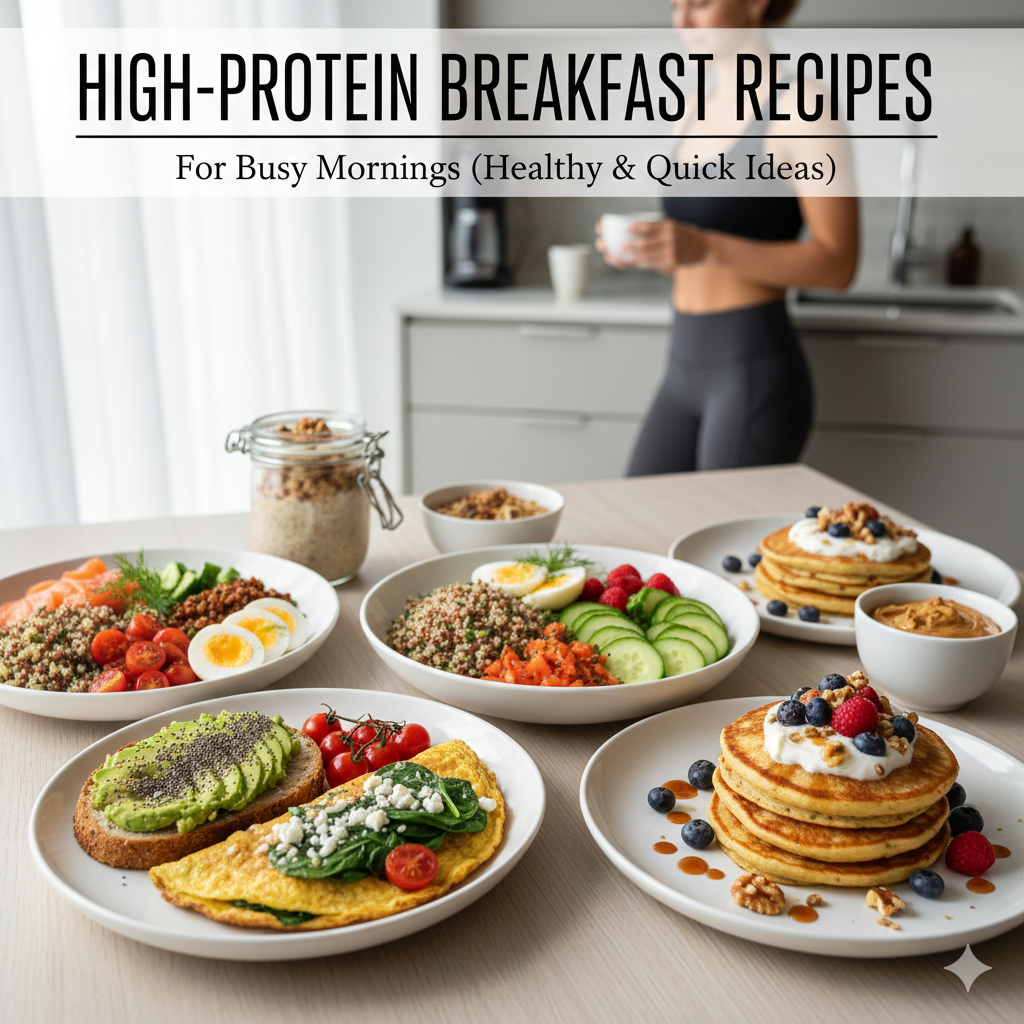
The alarm goes off. You hit snooze once, maybe twice. Before you know it, you have twenty minutes to shower, get dressed, and log into your first meeting or run out the door. In the chaos of the morning rush, breakfast is often the first casualty. You might grab a sugary pastry, a piece of plain toast, or perhaps nothing at all, surviving on coffee until lunch.
The problem with this routine isn’t just the hunger pangs that strike at 10:30 AM. It’s the brain fog, the irritability, and the energy crash that follows a carb-heavy or non-existent morning meal. If you want to optimize your focus and maintain steady energy levels throughout the workday, the solution lies in one macronutrient: protein.
Prioritizing protein doesn’t mean you need to wake up an hour early to cook a steak dinner. With the right ingredients and a little strategy, you can create delicious, nutrient-dense meals in minutes. This guide explores why protein is the ultimate productivity hack and provides practical, quick recipes designed for your busy schedule.
Why Choose High-Protein Breakfasts?
Breakfast is often marketed as a carbohydrate festival—cereals, bagels, pancakes, and juices. While carbohydrates provide quick energy, they often lead to a rapid spike in blood sugar followed by a sharp decline. This roller coaster effect is what leaves you feeling tired and sluggish by mid-morning.
Benefits for energy and focus
Protein has a negligible effect on blood glucose levels compared to carbohydrates. By anchoring your morning meal with protein, you promote blood sugar stability. Stable blood sugar means stable energy. Instead of a burst of hyperactivity followed by a slump, you get a consistent, slow-burning fuel source that keeps your mind sharp during those lengthy conference calls.
Protein and satiety explained
Beyond energy, protein is the most satiating macronutrient. It influences the release of hormones like ghrelin (which signals hunger) and peptide YY (which signals fullness). A high-protein breakfast keeps you fuller for longer, reducing the temptation to raid the office vending machine or snack on processed foods before lunch. When you aren’t distracted by a growling stomach, your ability to focus on deep work improves significantly.
What Makes a Breakfast High in Protein?
Not all breakfasts are created equal, and sprinkling a few chia seeds on a bowl of sugary cereal doesn’t quite cut it. To truly reap the benefits, you need to understand what constitutes a high-protein meal.
Key ingredients and nutrition basics
Generally, a breakfast containing 20 to 30 grams of protein is considered “high-protein.” This threshold is usually enough to stimulate muscle protein synthesis and provide that vital satiety factor.
To hit this number without spending hours cooking, you need to rely on protein-dense staples. Excellent sources include:
- Eggs and egg whites: The gold standard for bioavailability.
- Greek yogurt or cottage cheese: Dairy powerhouses that require zero cooking.
- Protein powders: Whey, casein, or plant-based blends for convenience.
- Tofu or tempeh: Great plant-based alternatives.
- Lean meats: Turkey bacon, chicken sausage, or smoked salmon.
Balanced macronutrient approach
While protein is the star, it shouldn’t be the only player. A truly healthy breakfast also includes healthy fats (like avocado or nuts) for hormonal health and fiber (from fruits, vegetables, or whole grains) for digestion. This trifecta—protein, fat, and fiber—creates the ultimate balanced meal that supports metabolic health.
Quick High-Protein Breakfast Recipes
You don’t need to be a chef to eat well. Here are several categories of recipes tailored for speed and nutrition.
Protein Smoothie Bowls
Smoothies are the ultimate convenience food, but drinking your calories doesn’t always feel satisfying. Turning a smoothie into a bowl adds texture, which can trick your brain into feeling fuller.
The Berry Blast Bowl:
- Base: Blend 1 scoop of vanilla protein powder, 1 cup of frozen mixed berries, ½ cup of Greek yogurt, and a splash of almond milk.
- Toppings: Sprinkle with 1 tablespoon of hemp seeds and a handful of sliced almonds.
- Why it works: The protein powder and yogurt provide the base, while the seeds add healthy fats and extra protein. It takes less than five minutes to make.
Egg-Based Breakfast Ideas
Eggs are versatile and affordable, but making a full omelet isn’t always feasible on a Tuesday morning.
The 2-Minute Mug Scramble:
- Coat a microwave-safe mug with cooking spray.
- Crack two eggs (or use ½ cup egg whites) into the mug.
- Add a handful of spinach and a sprinkle of feta cheese.
- Microwave for 90 seconds, stirring halfway through.
- Why it works: It’s virtually mess-free and provides about 18-20 grams of protein instantly.
Make-Ahead Egg Muffins:
- Whisk 10 eggs with your favorite diced veggies (peppers, onions, spinach) and cooked turkey sausage.
- Pour into a greased muffin tin and bake at 350°F (175°C) for 20 minutes.
- Why it works: You can make these on Sunday. In the morning, grab two from the fridge, reheat for 30 seconds, and go.
Greek Yogurt and Overnight Oats
If you prefer not to cook at all, cold prep is your best friend.
High-Protein Overnight Oats:
- Combine ½ cup rolled oats, ½ cup milk of choice, and ½ cup Greek yogurt in a jar.
- Stir in 1 tablespoon of chia seeds and a scoop of protein powder.
- Let it sit in the fridge overnight.
- Why it works: The yogurt and protein powder boost the protein content significantly higher than standard oatmeal. It’s ready the moment you wake up.
High-Protein Toast and Sandwiches
Bread isn’t the enemy, provided you dress it up correctly.
Smoked Salmon and Cottage Cheese Toast:
- Toast a slice of sprouted grain bread (which often has more protein than white bread).
- Spread nearly ½ cup of whipped cottage cheese on top.
- Layer with 3 oz of smoked salmon and fresh dill.
- Why it works: Cottage cheese is having a trendy moment for a reason—it’s packed with casein protein. Combined with salmon, this toast packs a savory punch.
Grab-and-Go Protein Snacks
Sometimes, you really do have to eat on the commute.
No-Bake Energy Bites:
- Mix rolled oats, peanut butter, honey, protein powder, and mini dark chocolate chips.
- Roll into balls and freeze.
- Why it works: These offer a concentrated source of energy. Eating three or four of these provides a decent protein hit alongside healthy fats from the peanut butter.
Meal Prep Tips for Busy Mornings
Success in nutrition is rarely about willpower; it is about preparation. When you are tired and rushed, you will default to the easiest option. Meal prepping ensures the easiest option is also the healthy one.
Batch cooking strategies
Set aside 45 minutes on Sunday to prepare for the week. Hard-boil a dozen eggs. Bake a batch of egg muffins. Roast a tray of turkey bacon. having proteins pre-cooked means you can assemble a breakfast box in seconds.
Smart ingredient swaps
Keep your pantry stocked with “boosters.” If you are making oatmeal, swap water for high-protein milk (dairy or soy). If you are making pancakes, swap ample flour for a mix of protein powder and oat flour. Add hemp hearts or flax seeds to everything—yogurt, salads, or toast—for an invisible protein boost.
High-Protein Breakfasts for Different Diets
High protein isn’t exclusive to carnivores. Whatever your dietary requirements, you can hit your macro goals.
Vegetarian options
Vegetarians have it relatively easy with eggs and dairy. However, if you are looking to diversify, consider savory quinoa bowls. Quinoa is a complete protein. Mix cooked quinoa with black beans, avocado, and a fried egg for a hearty, fiber-rich start.
Dairy-free and gluten-free ideas
For those avoiding dairy and gluten, reliance shifts to soy, meats, and plant-based powders.
- Tofu Scramble: Crumble firm tofu into a pan with turmeric, nutritional yeast, and vegetables. Tofu mimics the texture of eggs and absorbs flavor beautifully.
- Chia Pudding: Mix 3 tablespoons of chia seeds with 1 cup of almond milk and a scoop of vegan protein powder. The chia seeds gel up to create a pudding texture that is naturally gluten-free.
Common Mistakes to Avoid
In the quest for protein, it is easy to lose sight of overall nutrition. Avoid these common pitfalls to ensure your breakfast is truly supporting your health.
Skipping fiber and healthy fats
A breakfast consisting solely of egg whites and turkey bacon might be high in protein, but it is low in volume and digestion-slowing nutrients. Without fiber, your digestion may suffer. Without fat, you may not absorb fat-soluble vitamins (A, D, E, and K). Always add a side of berries, a slice of avocado, or a handful of spinach to round out the meal.
Over-reliance on processed foods
Protein bars and pre-packaged shakes are convenient, but they are often highly processed. Many contain sugar alcohols that can cause digestive distress or added sugars that negate the blood-sugar benefits of the protein. Treat these as emergency backups rather than daily staples. Whole foods should always be your primary source of nutrition.
How Protein Helps Productivity and Energy
There is a biological reason why high performers obsess over their diet. Your brain consumes about 20% of your daily calories, and it requires steady fuel to function optimally.
Blood sugar balance
When you eat a high-carb breakfast like a bagel, your blood sugar spikes. Your pancreas releases insulin to shuttle that sugar into cells. Often, it overcompensates, leading to a blood sugar crash (hypoglycemia). This crash triggers the release of stress hormones like cortisol and adrenaline, which can make you feel anxious, jittery, and unfocused. Protein prevents this cycle, keeping your cognitive function steady.
Reduced mid-morning crashes
Neurotransmitters, the chemical messengers in your brain, are made from amino acids—the building blocks of protein. For example, the amino acid tyrosine is a precursor to dopamine and norepinephrine, which promote alertness and focus. By consuming adequate protein, you are literally providing your brain with the raw materials it needs to stay motivated and alert.
Budget-Friendly High-Protein Breakfast Ideas
Eating healthy often has a reputation for being expensive, but some of the best protein sources are the cheapest items in the grocery store.
Affordable ingredients
- Canned Tuna: Not just for lunch. Tuna cakes can be a savory breakfast option.
- Beans and Legumes: Black beans, lentils, and chickpeas are incredibly cheap and packed with protein and fiber.
- Cottage Cheese: Often cheaper than Greek yogurt and just as versatile.
- Eggs: Despite price fluctuations, eggs remain one of the most cost-effective sources of high-quality protein per serving.
Simple recipes with minimal prep
Breakfast Burritos:
Scramble a dozen eggs with a can of black beans and some cheese. Wrap them in tortillas, wrap in foil, and freeze. These cost a fraction of the price of store-bought frozen burritos and are far nutritious.
FAQs – High-Protein Breakfast Recipes
What is a good high-protein breakfast for busy mornings?
The best option is one that requires zero cooking in the morning. Overnight oats fortified with Greek yogurt or protein powder, or pre-baked egg muffins, are top choices because you can simply grab them from the fridge and eat immediately.
How much protein should breakfast include?
Aim for 20 to 30 grams of protein. This amount is generally sufficient to trigger satiety signals and support muscle maintenance. For reference, three eggs provide about 18g, and a cup of Greek yogurt offers about 20g.
Are protein shakes enough for breakfast?
A protein shake is better than a donut, but it is not a complete meal. Liquids leave the stomach faster than solids, meaning you might get hungry sooner. To make it a full meal, blend the powder with fiber (spinach, berries) and fat (nut butter, flax seeds) to slow digestion.
Can high-protein meals help with weight management?
Yes. Because protein increases satiety and has a higher thermic effect of food (TEF) than carbs or fats—meaning your body burns more calories digesting it—starting the day with protein can reduce overall calorie intake and support healthy weight management.
What are the fastest protein-rich breakfast options?
- Hard-boiled eggs (pre-prepped).
- Cottage cheese with fruit.
- Greek yogurt cups.
- Smoked salmon on a whole-grain cracker.
- A high-quality protein bar (low sugar).
Start Your Day Strong
Transforming your mornings doesn’t require a total lifestyle overhaul or a personal chef. It starts with a simple decision to prioritize your fuel. By swapping out empty carbohydrates for nutrient-dense, protein-rich options, you aren’t just feeding your body; you are investing in your productivity, your mood, and your long-term health.
Choose one recipe from this list to try tomorrow morning. Whether it’s the two-minute mug scramble or the overnight oats, pay attention to how you feel at 11:00 AM. Chances are, you will feel focused, energized, and ready to tackle whatever the day throws your way.


