

Digital Minimalism in 2026: Why People Are Choosing Offline Living


We live in an era where the ping of a notification dictates our attention span. For many, the first thing they see in the morning is a glowing screen, and the last thing they see at night is an endless feed of content. But as we move deeper into 2026, a quiet revolution is taking place. It isn’t loud, and it certainly isn’t trending on Twitter. It is the steady, intentional choice to step back.
Digital minimalism is no longer a fringe movement for ascetics or Luddites. It has evolved into a necessary survival strategy for modern life. People across the globe are waking up to the realization that while technology is a powerful tool, it makes a terrible master. The constant connectivity that once promised freedom has, for many, become a cage of distraction and anxiety.
This shift isn’t about throwing your smartphone into the ocean or moving to a cabin in the woods. It is about redefining our relationship with the digital world. It is about choosing quality over quantity, connection over content, and living a life where technology supports our goals rather than distracting us from them. In 2026, offline living is becoming the ultimate luxury.
What Is Digital Minimalism?
At its core, digital minimalism is a philosophy of technology use. It isn’t about rejecting technology entirely, but rather about using it with intention. It asks a simple but profound question: Does this tool add value to my life?
Definition and Core Principles
Digital minimalism is the practice of stripping away the digital noise to focus on what truly matters. It involves curating your digital environment just as you would your physical home. A minimalist doesn’t clutter their living room with furniture they don’t use; a digital minimalist doesn’t clutter their phone with apps that drain their time.
The core principles are simple:
- Intentionality: Every digital interaction should have a purpose.
- Clutter Avoidance: Digital clutter is as stressful as physical clutter.
- Solitude: Reclaiming the time to be alone with one’s thoughts.
Intentional Technology Use vs. Digital Overload
The average person in 2026 is bombarded with thousands of digital stimuli every day. Emails, texts, news alerts, social media updates—it’s a firehose of information that our brains were never designed to process. Digital overload leads to a state of continuous partial attention, where we are always skimming the surface but never diving deep.
Intentional technology use flips the script. Instead of reflexively checking your phone when you’re bored, you use it only when you have a specific task to accomplish. It’s the difference between eating a meal because you’re hungry and mindlessly snacking because the food is there. Digital minimalists are the gourmets of the technology world—they consume less, but they enjoy it more.
Why Digital Minimalism Is Growing in 2026
The surge in interest regarding offline living didn’t happen in a vacuum. It is a direct response to the cumulative effects of a decade spent online. By 2026, the novelty of the “always-on” culture has worn off, revealing the cracks in the foundation.
Screen Fatigue and Burnout
We are tired. Our eyes are strained from blue light, and our minds are exhausted from doom-scrolling. Screen fatigue has become a recognized occupational hazard, affecting everyone from students to CEOs. The blurring of lines between work and home, accelerated by the remote work boom, means many people feel they are “at work” from the moment they wake up until they go to sleep.
Burnout is the inevitable result. It manifests as a deep sense of apathy and exhaustion. People are realizing that no amount of productivity apps can cure a lack of rest. The only cure is to unplug.
Mental Health Awareness
There is a growing body of research linking excessive screen time to anxiety, depression, and loneliness. In 2026, mental health is prioritized more than ever before. People are becoming fiercely protective of their mental space. They recognize that constant exposure to curated, idealized versions of other people’s lives on social media is detrimental to their self-esteem. Choosing offline living is an act of self-care.
Key Reasons People Are Choosing Offline Living
The motivation to embrace digital minimalism varies from person to person, but several key drivers are pushing the movement forward.
Reducing Social Media Pressure
Comparison Culture and Digital Noise
Social media platforms are engineered to keep us engaged, often by exploiting our insecurities. Comparison culture—the feeling that everyone else is happier, richer, and more successful—is a toxic byproduct of digital life. By stepping away from the feed, digital minimalists silence this noise. They stop measuring their worth by likes and shares and start measuring it by their own internal standards.
Improving Focus and Productivity
Deep Work and Fewer Distractions
In an economy that values knowledge work, the ability to focus is a superpower. Constant notifications fragment our attention, making it impossible to enter a state of “deep work”—the zone where true creativity and problem-solving happen. By minimizing digital distractions, people find they can get more done in less time, leaving them free to enjoy the rest of their day.
Mental Wellness and Stress Reduction
Mindfulness and Slower Living
The digital world moves at a breakneck pace. The real world moves much slower. Aligning our internal rhythm with the natural world reduces cortisol levels and promotes a sense of calm. Digital minimalists practice mindfulness not just on a meditation cushion, but by being fully present in their daily activities—washing dishes without a podcast, walking the dog without a phone, eating dinner without the TV on.
Reclaiming Personal Time
Hobbies, Relationships, and Real-World Experiences
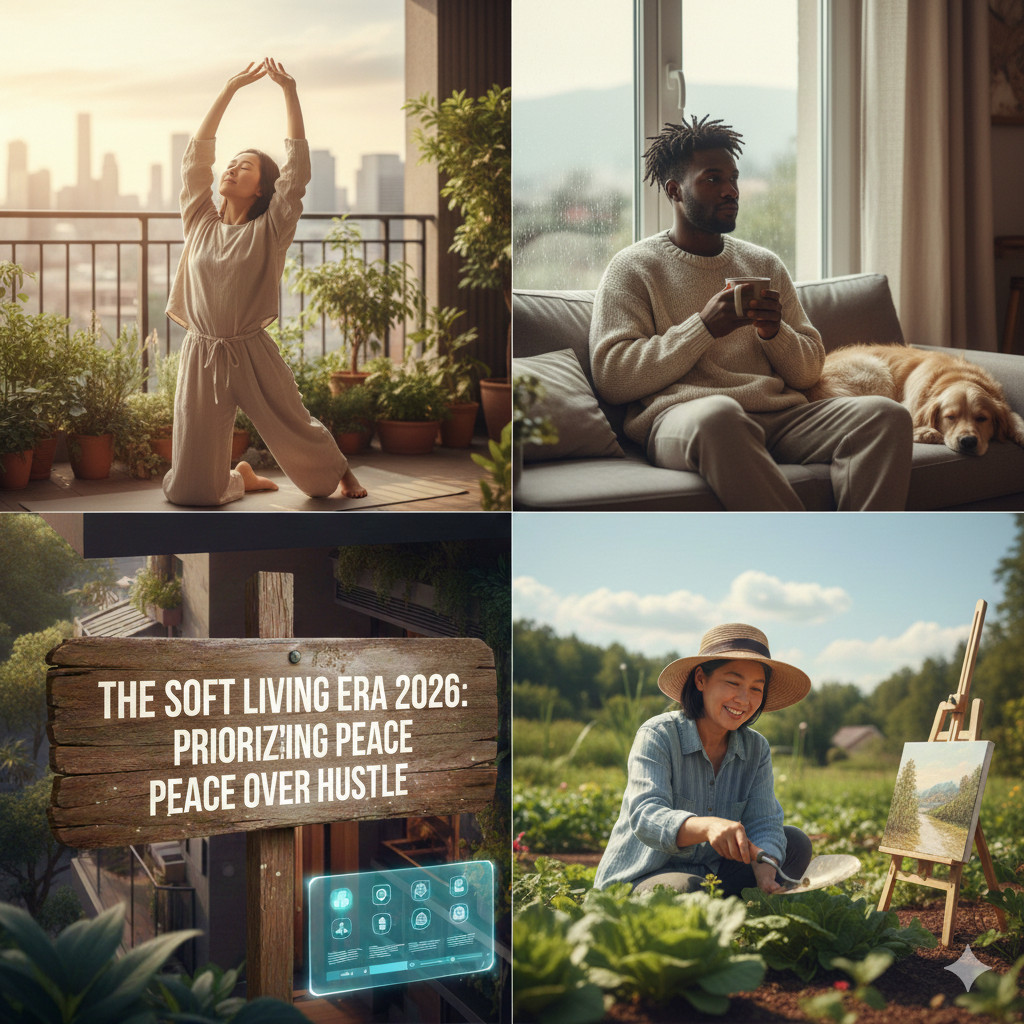
When you stop scrolling, you suddenly find you have hours of free time you didn’t know existed. People are using this reclaimed time to rediscover hobbies like painting, gardening, or playing an instrument. More importantly, they are investing in real-world relationships. A text message can never replace the warmth of a hug or the sound of a friend’s laughter across a dinner table.
Impact of Digital Minimalism on Lifestyle Choices
As people change their digital habits, their lifestyles are transforming to match.
Work Habits and Remote Work Balance
The “hustle culture” of the early 2020s is being replaced by a more sustainable approach to work. Employees are setting strict boundaries, such as “no email” weekends and designated offline hours. Remote workers are creating physical separation between their workspaces and their living spaces to ensure that when the laptop closes, work truly ends.
Travel, Wellness, and Personal Routines
Travel trends in 2026 reflect a desire for disconnection. “Digital detox” retreats are booming, offering wifi-free zones where guests are encouraged to surrender their devices at check-in. Wellness routines now focus less on tracking stats with wearables and more on intuitive movement and listening to one’s body.
Technology Companies Responding to Minimalism Trends
Ironically, the very companies that built the attention economy are now pivoting to cater to the minimalists. Tech giants realize that if their products destroy their users’ mental health, they won’t have users for long.
Screen-Time Tools and Digital Wellness Features
Operating systems now come standard with robust digital wellbeing tools. Features like “Focus Mode,” app timers, and “wind down” grayscale screens are mainstream. New devices are entering the market that are intentionally limited in functionality— “dumb phones” with e-ink screens that only handle calls, texts, and maps are becoming a status symbol among the tech-savvy elite who value their attention.
Benefits of Digital Minimalism
The rewards of this lifestyle shift are tangible and immediate.
Better Sleep and Focus
Without the stimulating blue light of screens before bed, sleep quality improves drastically. Better sleep leads to better focus during the day. It’s a virtuous cycle that enhances overall physical health.
Increased Life Satisfaction
There is a profound sense of satisfaction that comes from living an undistracted life. Digital minimalists report feeling more in control of their destiny. They feel more connected to their community and less anxious about the state of the world. They are living their lives, rather than watching others live theirs.
Challenges of Going Offline in a Connected World
Transitioning to a digitally minimalist lifestyle is simple, but it isn’t easy. The world is built on connectivity, and opting out creates friction.
Work Expectations
Many industries still operate on an unspoken rule of instant availability. Employees who choose not to respond to emails at 9 PM may fear being seen as uncommitted. Navigating these expectations requires clear communication and often a cultural shift within the organization itself.
Fear of Missing Out (FOMO)
FOMO is a powerful psychological force. The fear that you are missing out on important news, social events, or cultural moments can be paralyzing. Digital minimalists have to make peace with the fact that they will miss out on things—and that it’s okay. This is often reframed as JOMO: the Joy of Missing Out.
Digital Minimalism vs. Digital Detox
It is important to distinguish between a lifestyle change and a temporary fix.
Short-Term Breaks vs. Long-Term Habits
A digital detox is a crash diet; digital minimalism is a healthy lifestyle. A detox might involve going offline for a weekend to reset. While beneficial, the effects often wear off as soon as you log back in. Digital minimalism is about building sustainable, long-term habits that endure even when you are fully plugged in for work or necessity. It’s about building a healthy immune system against distraction.
How Different Age Groups Approach Digital Minimalism
The approach to offline living varies significantly across generations.
Gen Z and Millennials
For these digital natives, minimalism is an act of rebellion. They have never known a world without the internet, and they are acutely aware of what it has taken from them. They are leading the charge in deleting social media apps and embracing vintage technology like film cameras and vinyl records. They crave authenticity and tactile experiences.
Professionals and Families
For older adults and parents, minimalism is about management. They are trying to model healthy behaviors for their children while managing the demands of modern careers. Their approach often involves strict rules about device-free zones (like the dinner table) and device-free times (like Sunday mornings).
Practical Ways to Practice Digital Minimalism
You don’t need to overhaul your entire life overnight. Start small.
App Limits and Notification Control
Go into your settings and turn off all non-human notifications. If it’s not a message from a real person, you don’t need to see it instantly. Set daily time limits for your most addictive apps. When the timer runs out, respect it.
Device-Free Routines
Establish sacred spaces and times where screens are forbidden.
- The Bedroom: Buy an analog alarm clock and charge your phone in the kitchen.
- Morning Routine: Spend the first 30 minutes of your day offline. Drink your coffee, stretch, or read a book before you let the world in.
- Commuting: Try driving or riding the train without listening to a podcast or checking emails. Let your mind wander.
Future Outlook for Offline Living Trends
As we look beyond 2026, the trend toward digital minimalism shows no signs of slowing down.
Balanced Tech Use
We are moving toward a future of “calm technology.” Devices will become less intrusive, working in the background rather than demanding our constant attention. The goal is a seamless integration where technology enhances our humanity rather than diminishing it.
Rise of Slow Living Culture
Digital minimalism is a key pillar of the broader “slow living” movement. This cultural shift values depth over breadth, quality over speed, and connection over connectivity. It is a return to a more human pace of life, one where we have the space to breathe, think, and simply be.
FAQs – Digital Minimalism in 2026
What is digital minimalism?
Digital minimalism is a philosophy of using technology intentionally. It involves carefully selecting which digital tools add value to your life and happily missing out on everything else.
Why are people choosing offline lifestyles?
People are choosing to go offline to combat burnout, improve their mental health, deepen their relationships, and reclaim their time from the demands of the attention economy.
Does digital minimalism improve productivity?
Yes. By reducing digital distractions and interruptions, individuals can focus more deeply on their tasks, leading to higher quality work completed in less time.
How can beginners start reducing screen time?
Start by turning off notifications, charging your phone outside the bedroom, and designating one hour a day as “screen-free time.”
Is offline living realistic in modern work culture?
Yes, but it requires boundaries. It involves communicating clear expectations about availability and prioritizing deep work over constant connectivity. Many forward-thinking companies are now adopting these principles to prevent employee burnout.
Conclusion
The year 2026 marks a turning point. We are no longer passively accepting the digital tools handed to us; we are actively curating them. Digital minimalism isn’t about going backward; it’s about moving forward with intention. It is about realizing that the most high-definition experience available is the one happening right in front of your eyes, offline and unfiltered. By reclaiming our attention, we reclaim our lives.