




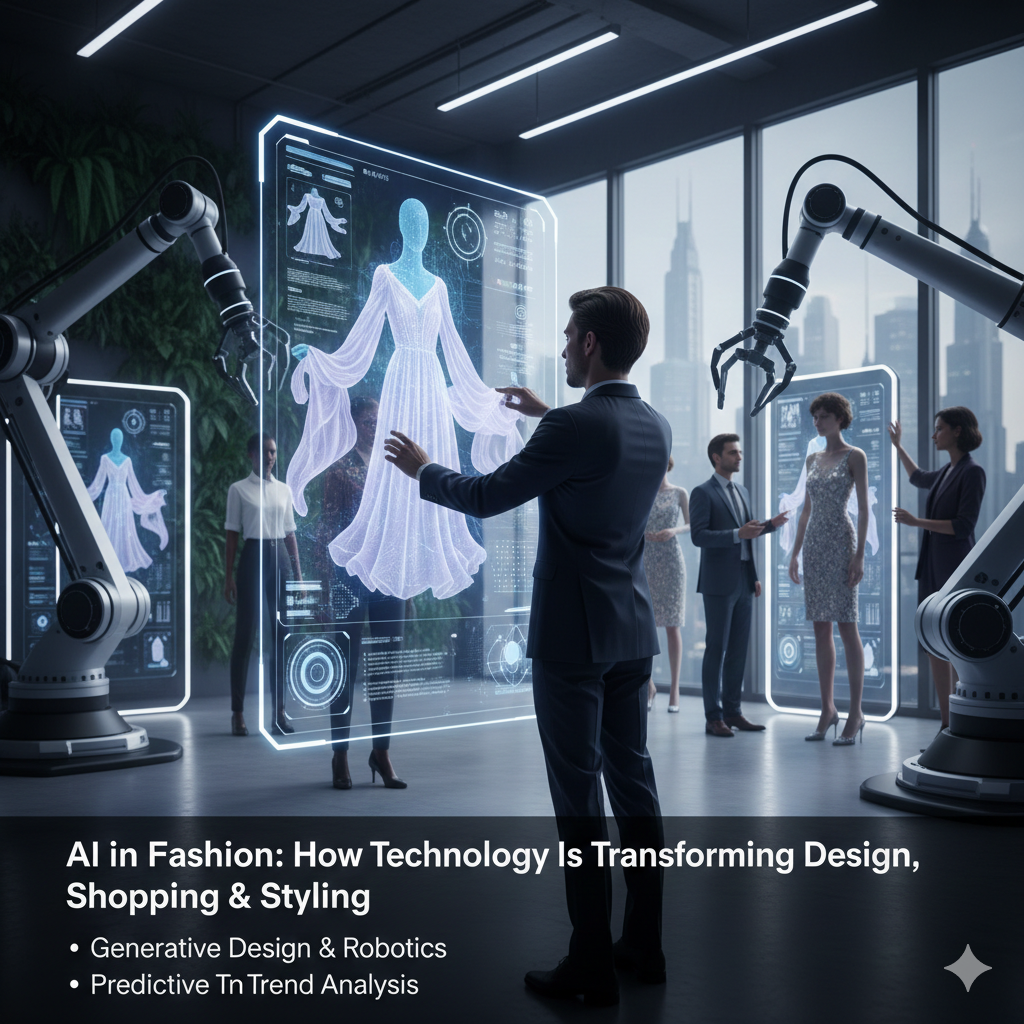
The image of a fashion designer often involves sketches scattered across a table, fabric swatches pinned to mood boards, and the chaotic energy of a busy atelier. While creativity remains the heart of the industry, the tools used to harness that creativity are undergoing a fundamental shift. The quiet hum of servers and the complex calculations of algorithms are becoming just as important as the sewing machine.
Artificial Intelligence is no longer a futuristic concept reserved for sci-fi movies; it is the new infrastructure of the global fashion industry. From predicting the next big color trend before it hits the runway to helping shoppers find the perfect fit without entering a changing room, technology is woven into every stage of the garment lifecycle.
For the fashion-conscious consumer and industry professionals alike, understanding this shift is essential. It changes how clothes are made, how they are sold, and ultimately, how we wear them. This exploration looks at the mechanics behind the glamour, revealing how data and design are converging to create a smarter, albeit more complex, fashion ecosystem.
What Is AI in Fashion?
At its core, AI in fashion involves the application of machine learning, computer vision, and advanced data analytics to solve industry problems. It is the bridge between the artistic vision of a brand and the commercial reality of the market.
Core technologies include computer vision, which allows machines to “see” and tag clothing attributes in images, and natural language processing (NLP), which helps analyze consumer sentiment from text reviews or social media comments. Predictive analytics crunch historical sales data to forecast future demand, while generative AI creates entirely new images and designs based on specific inputs.
The role of AI extends across the entire value chain. In design, it acts as a digital assistant that can generate patterns. In manufacturing, it optimizes fabric usage. In retail, it powers the recommendation engines that suggest a matching pair of shoes. It is the invisible hand guiding a product from a concept on a screen to a package on a doorstep.
Why AI Is Transforming Fashion in 2026
As we look toward 2026, the adoption of AI is driven by two massive pressures: the need for speed and the demand for relevance. The old model of fashion—where a trend would take six months to move from a runway show to a retail rack—is obsolete.
Data-Driven Consumer Insights
Brands can no longer rely on intuition alone. By the time a collection launches, consumer tastes may have already shifted. AI allows brands to analyze real-time data from social media, search engines, and street style photography. This creates a feedback loop where consumer behavior directly influences what is produced, minimizing the guesswork that traditionally defined fashion retail.
Faster Production and Design Cycles
To keep up with micro-trends (trends that rise and fall in a matter of weeks), companies need agile supply chains. AI accelerates the design process through digital sampling and automates complex logistics, allowing brands to bring products to market in days rather than months.
How AI Is Changing Fashion Design
The romantic notion of the solitary genius designer is evolving into a collaborative partnership between human creativity and machine efficiency.
AI-Assisted Trend Forecasting
Traditionally, trend forecasting involved travel, observation, and intuition. Today, it involves analyzing millions of images and data points. AI algorithms scan social media feeds, runway shows, and pop culture moments to detect emerging patterns. They can predict which shade of green will be popular next autumn or whether wide-leg trousers are trending up or down. This gives designers a data-backed starting point for their collections.
Generative Design Tools
Generative AI is perhaps the most visually striking application. Designers can input parameters—such as “1970s bohemian floral dress” and “modern streetwear silhouette”—and the software will generate hundreds of variations. This serves as a powerful mood board, allowing creative teams to iterate on concepts rapidly. Furthermore, 3D design software enables the creation of digital prototypes, meaning a garment can be visualized, tweaked, and approved without ever cutting a piece of fabric.
Sustainable Design Optimization
Waste is a massive issue in garment production, particularly during the cutting phase. AI-driven nesting software calculates the most efficient way to lay out pattern pieces on a roll of fabric to minimize scraps. By optimizing these layouts, manufacturers can significantly reduce textile waste, saving money and lowering the environmental footprint of production.
AI-Powered Shopping Experiences
For the consumer, the most visible impact of AI is in the online shopping experience. E-commerce is shifting from a static catalog to a dynamic, interactive environment.
Personalized Recommendations
Most shoppers are familiar with “recommended for you” sections, but the technology behind them is becoming more sophisticated. Instead of simple collaborative filtering (e.g., “people who bought this also bought that”), modern algorithms analyze a user’s browsing history, past purchases, and even the time spent hovering over an item. This hyper-personalization creates a curated storefront for every individual, showing them items that align with their specific style profile rather than generic bestsellers.
Virtual Try-On and Styling Tools
One of the biggest hurdles in online shopping is the inability to try things on. Augmented Reality (AR) and AI are tackling this head-on. Shoppers can now use their smartphone cameras to see how a pair of sneakers looks on their feet or how a specific shade of lipstick looks on their skin. More advanced virtual fitting rooms allow users to upload a photo and see a realistic rendering of clothing draped over their body type, helping to assess fit and silhouette before buying.
Conversational Shopping Assistants
The clunky chatbots of the past are being replaced by intelligent shopping assistants powered by Large Language Models (LLMs). These assistants can understand nuance and context. A shopper might ask, “I need an outfit for a beach wedding in July that costs under $200,” and the AI can parse those requirements to suggest a complete look, including accessories, rather than forcing the user to filter through hundreds of dresses manually.
AI and Personal Styling Evolution
The luxury of a personal stylist was once reserved for celebrities and the ultra-wealthy. Technology is democratizing this service.
Smart Wardrobe Apps
Applications allow users to digitize their closets by uploading photos of their clothes. AI then categorizes these items and suggests outfits based on what the user already owns. It helps users rediscover forgotten pieces and encourages a more circular approach to dressing—wearing what you have rather than always buying new.
Automated Outfit Suggestions
These tools go a step further by integrating external data. If the weather forecast calls for rain, the app might suggest an outfit that includes your trench coat and waterproof boots. If you have a formal event on your calendar, it will recommend your best suit or evening gown.
Impact of AI on Fashion Retailers
Behind the scenes, AI is fundamentally changing the business logic of retail.
Inventory Forecasting
Overproduction is the industry’s silent killer. Brands frequently produce too much stock that eventually gets marked down or, worse, destroyed. AI improves demand forecasting accuracy, helping retailers order the right amount of stock for the right locations. This reduces the need for aggressive discounting and improves overall profitability.
Dynamic Pricing Strategies
Similar to how airlines price tickets, fashion retailers are increasingly using dynamic pricing. AI monitors demand, competitor pricing, and inventory levels to adjust prices in real-time. While this maximizes revenue for the retailer, it also means consumers might see prices fluctuate based on when they shop.
Benefits of AI for Consumers
While retailers gain efficiency, consumers gain convenience and relevance.
- Faster Shopping Decisions: By filtering out irrelevant options, AI reduces the “decision fatigue” that comes with endless scrolling.
- Hyper-Personalized Experiences: Shopping feels less like searching a warehouse and more like visiting a boutique where the staff knows your taste.
- Better Fit: As sizing technology improves, customers are more likely to order the right size on the first try, leading to less frustration and fewer returns.
Challenges and Risks of AI in Fashion
The integration of high tech into fashion is not without significant downsides.
Data Privacy Concerns
To offer personalized experiences, brands need data—lots of it. This raises valid concerns about how much information companies collect about consumer habits, body measurements, and preferences. Ensuring this data is stored securely and used ethically is a major challenge.
Creativity vs. Automation Debates
There is a philosophical debate about the soul of fashion. If algorithms predict trends and generate designs based on what is already popular, does fashion risk becoming a homogenized feedback loop? There is a risk that AI could stifle avant-garde creativity in favor of safe, commercially viable designs.
AI and Sustainable Fashion Innovation
Sustainability is often touted as a benefit of AI, but the reality is nuanced.
Demand Forecasting to Reduce Waste
Ideally, better forecasting means brands produce only what they sell. This is the “pull” model of manufacturing rather than the “push” model. If widely adopted, this could drastically reduce the mountains of textile waste generated annually.
Circular Fashion Tracking
AI helps in the resale market by automating the authentication and pricing of luxury goods. Furthermore, “digital passports” for clothing—QR codes that track a garment’s journey—rely on data systems to provide transparency about materials and recyclability, facilitating a circular economy.
However, it is worth noting that AI also powers ultra-fast fashion, enabling companies to churn out thousands of new styles daily. In these cases, technology accelerates overconsumption rather than curbing it.
Future Trends in AI Fashion Technology
The line between the physical and digital worlds continues to blur.
Digital Fashion and Virtual Clothing
As consumers spend more time in virtual spaces, “digital fashion”—clothing designed solely for avatars—is growing. These garments exist only as pixels but are sold and traded like physical assets. AI allows for the rapid creation of these complex digital textures and fabrics.
AI-Generated Influencers and Styling
Brands are increasingly experimenting with virtual influencers—AI-generated personas that model clothing on social media. These influencers never show up late, never age, and can be instantly styled in the latest collection, offering brands total control over their image.
Will AI Replace Fashion Designers or Stylists?
The fear that machines will replace human creatives is common, but in fashion, collaboration is the more likely outcome. AI excels at processing data, identifying patterns, and optimizing logistics. Humans excel at empathy, storytelling, and cultural subversion—the elements that make fashion emotional and exciting.
The most successful designers and stylists of the future will be those who learn to wield AI as a tool. They will use algorithms to handle the tedious parts of the process—grading patterns, sorting inventory, sketching variations—freeing up their mental energy for pure innovation and creative direction.
FAQs – AI in Fashion
How is AI used in fashion design?
AI assists designers by analyzing trend data to predict popular styles, generating design variations through generative algorithms, and creating realistic 3D prototypes to visualize garments before production.
Can AI replace personal stylists?
AI can handle the functional aspects of styling, such as suggesting outfits based on weather or occasion and matching items from a catalog. However, it currently lacks the human empathy and deep cultural understanding that a human stylist provides for complex emotional needs or major life events.
Is AI making fashion more sustainable?
It has the potential to. By optimizing fabric cutting to reduce waste and improving demand forecasting to prevent overproduction, AI can lower the industry’s footprint. However, it also enables ultra-fast fashion models that encourage overconsumption, so the impact depends on how the technology is applied.
What is AI-powered shopping?
This refers to the use of technology to enhance the customer journey, including personalized product recommendations, visual search (searching with images instead of text), and virtual try-on features.
Will AI change how people buy clothes?
Yes. Shopping will become more personalized and efficient. Virtual try-ons will likely reduce the need for physical stores for fitting purposes, and predictive algorithms will mean consumers see more of what they actually want and less of what they don’t.
The New Fabric of Reality
Fashion has always been a reflection of the times, and our current era is defined by the rapid advancement of artificial intelligence. While the tactile joy of silk or denim will never be replaced by code, the systems that bring those fabrics to us are being rewritten.
For the consumer, this means a more seamless, personalized, and potentially sustainable way to engage with style. For the industry, it is a call to adapt or fall behind. As we move forward, the most stylish innovations won’t just be seen on the runway—they will be running in the background, stitching together a new future for fashion.


