




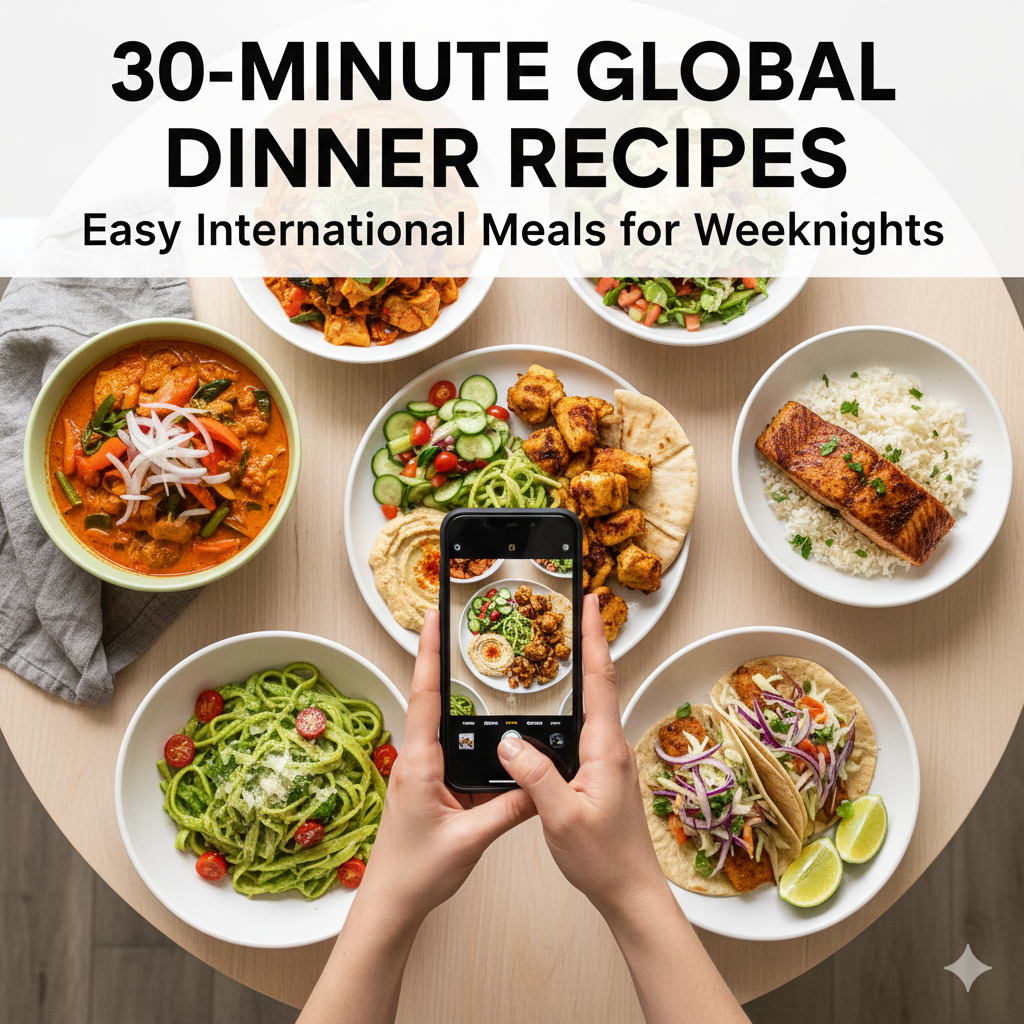
After a long day of meetings and deadlines, the last thing most of us want to do is spend hours in the kitchen. Yet, the alternative—ordering takeout—often leaves us feeling sluggish and our wallets lighter. The sweet spot lies in between: cooking fresh, flavorful meals at home without sacrificing your entire evening.
Many people assume that cooking international cuisine requires specialized equipment, obscure ingredients, and hours of simmering. But the reality is that some of the world’s most delicious dishes are actually born from necessity and speed. From the street food stalls of Bangkok to the family kitchens of Rome, quick, nutritious meals are a universal staple.
This guide explores how you can bring global flavors to your dinner table in just 30 minutes. We aren’t talking about watered-down versions of classics, but rather smart, efficient recipes that respect the flavor profiles of different cultures while fitting into a busy professional’s schedule. Whether you are craving the heat of a curry or the zest of a taco, you can achieve it quickly and healthily.
Why 30-Minute Global Dinners Are Perfect for Weeknights
The concept of the “30-minute meal” isn’t new, but applying a global lens to it changes the game. When you limit yourself to standard grilled chicken and steamed vegetables, cooking can become a chore. Introducing international flavors keeps the process exciting and the palate engaged.
Fast cooking without sacrificing flavor
One of the biggest misconceptions about quick cooking is that it lacks depth. However, many global cuisines rely on high-impact ingredients—like soy sauce, chili paste, fresh herbs, or citrus—that deliver immediate flavor complexity. You don’t need to slow-roast a sauce for six hours to get a great result. By using techniques like high-heat stir-frying or utilizing potent spice blends, you can build layers of taste in minutes.
Exploring international cuisine at home
Travel might be a luxury, but eating doesn’t have to be. Cooking globally allows you to escape the monotony of the work week. A Tuesday night can feel a little more special when you are sitting down to a fragrant bowl of Thai basil chicken rather than a frozen pizza. It brings a sense of adventure to your evening routine, turning dinner from a task into an experience. Plus, controlling the ingredients yourself means you can adjust sodium and sugar levels, making these versions far healthier than restaurant counterparts.
Tips for Cooking Quick International Meals
Speed in the kitchen is rarely about moving faster; it is about working smarter. To consistently get dinner on the table in half an hour, you need a strategy.
Pantry staples and spice shortcuts
The secret to quick global cooking is a well-stocked pantry. If you have to run to the store for every single ingredient, the 30-minute promise is broken. Keep these essentials on hand to pivot to different cuisines instantly:
- Asian: Soy sauce, sesame oil, rice vinegar, ginger, garlic, chili crisp.
- Mediterranean: Olive oil, canned tomatoes, dried oregano, lemon juice, feta cheese.
- Mexican: Canned beans, salsa, cumin, chili powder, corn tortillas.
- Indian: Garam masala, turmeric, coconut milk, lentils, basmati rice.
Having these basics means you usually only need to pick up a fresh protein and a vegetable to complete the meal.
Time-saving prep techniques
Mise en place (putting in place) is a French culinary phrase, but it applies to every cuisine. Before you turn on the stove, chop all your vegetables and measure your sauces.
- Multitask: Get your water boiling for pasta or rice immediately. While the grains cook, you can sauté your vegetables and proteins.
- Size matters: Cut vegetables and meats into smaller, uniform pieces. They will cook significantly faster than large chunks.
- Use technology: A rice cooker or an Instant Pot can handle the grains while you focus on the main dish on the stovetop.
Easy 30-Minute Dinner Recipes from Around the World
Here is how to travel the world from your kitchen with simple, fast recipes.
Italian-Inspired Pasta and One-Pan Dishes
Italian cuisine is the king of 30-minute meals. Pasta is the ultimate fast food, but it doesn’t have to be heavy.
Quick Tomato Pasta Variations:
Instead of a slow-simmered Sunday gravy, try a “Pomodoro fresco.” Sauté minced garlic in plenty of olive oil until fragrant. Add halved cherry tomatoes and let them burst and release their juices (about 5-7 minutes). Toss with al dente spaghetti and a splash of pasta water. Finish with fresh basil and parmesan. This dish relies on the freshness of the ingredients rather than cooking time.
For a protein boost, add shrimp to the pan during the last three minutes of cooking the tomatoes, or fold in cannellini beans for a hearty, vegetarian Tuscan-style dish.
Asian Stir-Fries and Noodle Bowls
Stir-frying is a technique built for speed. It requires high heat and constant motion, cooking food in minutes while retaining texture and nutrients.
Fast Sauces and High-Heat Cooking:
For a classic stir-fry, whisk together soy sauce, a teaspoon of sugar (or honey), a splash of vinegar, and a teaspoon of cornstarch. Sear your protein (chicken strips, tofu, or beef) in a hot wok or skillet, remove it, then blast your vegetables (broccoli, bell peppers, snap peas) for 2-3 minutes. Return the protein, pour in the sauce, and watch it thicken instantly. Serve over pre-cooked rice or quick-cooking udon noodles.
Mexican-Style Tacos and Rice Bowls
Tacos are perhaps the most customizable meal on the planet. They are fun, interactive, and incredibly fast.
Customizable Weeknight Favorites:
Forget heavy, cheesy enchiladas for a weeknight. Focus on fresh “street style” tacos. Sauté ground turkey or beef with cumin, paprika, and chili powder. While the meat browns, chop cilantro, dice onions, and slice radishes. Warm corn tortillas in a dry pan for 30 seconds per side. Assemble and top with a squeeze of lime.
For a rice bowl (burrito bowl), use quick-cooking brown rice or quinoa as a base. Top with black beans (rinsed from the can), the seasoned meat, corn salsa, and avocado. It’s a nutrient-dense meal that comes together as fast as you can chop the toppings.
Mediterranean Grain and Salad Meals
The Mediterranean diet is renowned for its health benefits, focusing on healthy fats, lean proteins, and vegetables.
Fresh Herbs and Simple Dressings:
A Greek salad with grilled chicken is a perfect 30-minute meal. Rub chicken breasts with oregano, lemon, and olive oil, then pan-sear or grill them (about 4-5 minutes per side). While the chicken cooks, chop cucumbers, tomatoes, red onions, and Kalamata olives.
For the dressing, simply whisk olive oil, red wine vinegar, and dried oregano. Serve the salad with a side of whole-wheat couscous (which steams in just 5 minutes off the heat) or warm pita bread.
Indian-Inspired Curry Shortcuts
Curry often implies a long cooking process, but you can achieve those warm, comforting flavors quickly by using the right shortcuts.
Quick Simmer Sauces:
You don’t need to grind your own spices to make a good weeknight curry. Use a high-quality curry paste (red, green, or yellow) or a good garam masala blend. Sauté onions, garlic, and ginger. Add your spice blend or paste and cook for a minute to “wake up” the spices. Add a can of coconut milk and bring to a simmer. Drop in bite-sized pieces of chicken or chickpeas and spinach. Simmer for 10-15 minutes until the protein is cooked through. Serve with basmati rice or naan.
Vegetarian and Plant-Based Global Dinner Options
Plant-based cooking is often faster than cooking meat because you don’t have to worry about internal temperatures or resting times.
Balanced, protein-rich meals
Legumes are your best friend here. Lentils, specifically red lentils, break down quickly and cook in about 15-20 minutes without soaking. Make a “Dal Tadka” by boiling red lentils with turmeric. In a separate small pan, sizzle cumin seeds, garlic, and dried chilies in oil or ghee, then pour this aromatic oil over the soft lentils. It is rich, protein-packed, and deeply satisfying.
Easy ingredient swaps
Almost any global meat dish can be made vegetarian. Use extra-firm tofu in stir-fries (press the water out first for better texture). Use mushrooms in place of beef for tacos—their umami flavor mimics meat well. In pasta, use lentils or walnuts to create a hearty bolognese sauce that cooks in half the time of beef.
Meal Prep Strategies for Faster Cooking
If you want to guarantee success, do a little work on Sunday to save hours during the week.
Batch chopping and sauces
Washing and chopping vegetables is the most time-consuming part of cooking. If you chop your onions, peppers, and carrots on the weekend and store them in airtight containers, you can dump them directly into the pan on a Tuesday.
Similarly, mix your stir-fry sauce or salad dressing in a jar beforehand. Shake and pour when you are ready to eat.
Pre-cooked grains and proteins
Grains like brown rice or farro take 40+ minutes to cook, which kills the 30-minute dream. Cook a big batch on the weekend. They reheat perfectly in the microwave or can be tossed into a frying pan for fried rice. You can also roast a tray of chicken breasts or tofu cubes to toss into salads or wraps throughout the week.
Budget-Friendly International Cooking Tips
Eating globally doesn’t have to be expensive. In fact, many traditional diets are based on affordable staples like rice, beans, and seasonal vegetables.
Affordable global ingredients
- Rice and Pasta: Buy these in bulk. They are the canvas for your flavors.
- Spices: Buy spices from international grocery stores rather than standard supermarkets. You will often get double the amount for half the price.
- Proteins: Use meat as a flavoring rather than the main event. In many Asian and Mediterranean dishes, a small amount of meat is stretched with lots of vegetables and grains.
Using frozen vegetables and spices
Don’t fear the freezer aisle. Frozen stir-fry vegetable mixes, frozen spinach, and frozen peas are harvested at peak ripeness and are just as nutritious as fresh. They also require zero chopping. You can also buy frozen cubes of crushed garlic and ginger, saving you the hassle of peeling and mincing.
Common Mistakes When Cooking Quick Dinners
Even with the best intentions, things can go wrong. Here is how to avoid culinary mishaps when you are rushing.
Overcrowding pans
When you are in a hurry, it is tempting to throw everything in the pan at once. However, if you crowd the pan, the food will steam instead of sear. This leads to soggy vegetables and gray meat. Cook in batches if necessary; the flavor payoff is worth the extra two minutes.
Skipping seasoning layers
Adding salt only at the end results in food that tastes salty, not seasoned. Season your protein before it hits the pan. Season the vegetables as they sauté. Season the sauce. Tasting as you go ensures the final dish is balanced.
How to Balance Flavor and Nutrition
Quick meals can still be aligned with your health goals. The key is balance.
Protein, carbs, and healthy fats
Aim for the “plate method” even with one-pot meals. Half your plate (or bowl) should be vegetables, one quarter lean protein, and one quarter high-fiber carbohydrates. Use healthy fats like olive oil, avocado oil, or sesame oil for cooking and flavor.
Portion control for weeknight meals
International restaurant portions are often massive. When cooking at home, you are in charge. Use smaller plates to naturally guide portion sizes. If you are making a rich coconut curry, bulk it up with cauliflower or green beans so you can eat a satisfying volume without overdoing the calories.
FAQs – 30-Minute Global Dinner Recipes
What meals can be cooked in 30 minutes?
Countless meals fit this timeframe. Stir-fries, pasta dishes (carbonara, aglio e olio, marinara), tacos, quesadillas, grain bowls, hearty salads, pan-seared fish with vegetables, and egg-based dishes like shakshuka or omelets are all 30-minute contenders.
Are international recipes hard to make at home?
Not necessarily. While authentic, traditional recipes can take hours, home-style versions are often simple. Focus on the core flavor profile (e.g., lime and cilantro for Mexican, ginger and soy for Chinese) rather than trying to replicate a Michelin-star technique.
Can global dinners be healthy and quick?
Absolutely. Global cuisine often emphasizes whole foods, fresh vegetables, and lean proteins. Mediterranean and Asian diets, in particular, are historically some of the healthiest ways to eat. By cooking at home, you control the oil and salt, making them much healthier than takeout.
What ingredients help speed up cooking?
Quick-cooking ingredients include couscous, angel hair pasta, shrimp, ground meats, boneless chicken thighs, eggs, and tofu. Pre-washed salad greens and canned beans are also huge time-savers.
How can beginners start cooking global cuisine?
Start with one region you love. If you love tacos, master a simple taco night. Once you are comfortable with those spices, move to Italian pasta. Don’t try to stock a global pantry all at once; build it slowly recipe by recipe.
Bring the World to Your Table Tonight
Cooking global flavors on a weeknight doesn’t require a culinary degree or a passport. It simply requires a little planning and a willingness to try new things. By keeping a few key staples in your pantry and mastering some basic techniques, you can transform your Tuesday night dinner from a chore into a highlight.
Start small. Pick one recipe from this guide to try this week. Whether it’s a zesty taco or a comforting bowl of curry, you’ll find that delicious, healthy food is closer—and faster—than you think.


